
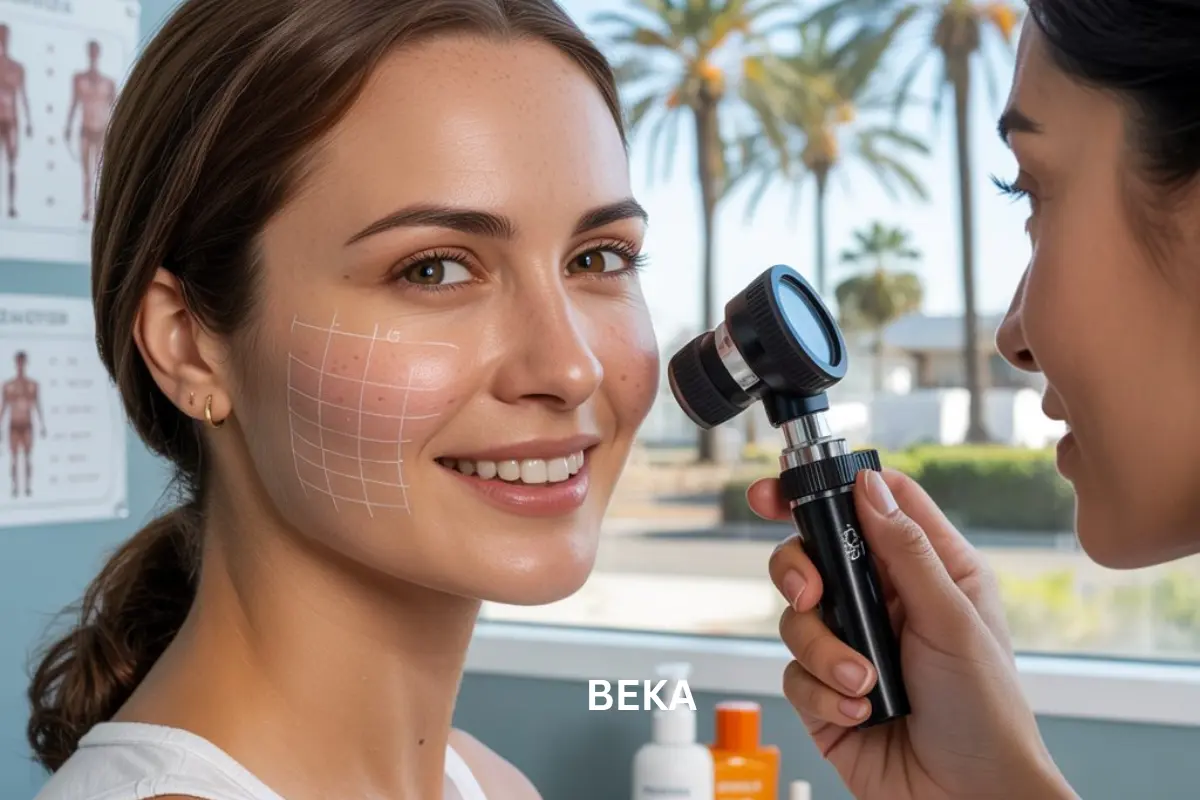
Melasma doesn’t just fade with time – it digs in. Those stubborn patches on your cheeks, forehead, or upper lip? They’re not just cosmetic nuisances. They’re your skin’s SOS signal. Here in Gilbert, where the sun blazes 300+ days a year, melasma isn’t just common – it’s practically epidemic. New research from the American Academy of Dermatology reveals a startling fact: 50% of melasma sufferers see dramatic improvement within 12 weeks when combining professional Gilbert melasma treatment with disciplined sun protection. Yet most people never get there. They bounce between drugstore creams and DIY remedies, wasting time and money on solutions that barely scratch the surface.
I’ve reviewed hundreds of cases at our Gilbert clinic. The patients who succeed? They understand melasma requires a three-pronged attack: medical-grade topicals to suppress pigment, advanced technologies to break up existing discoloration, and – most critically – military-grade sun defense. Anything less is just maintenance.
The good news? We now have more effective tools than ever. From latest tranexamic acid formulations to pigment-specific lasers that leave surrounding skin untouched, today’s treatments deliver results we couldn’t dream of a decade ago. But here’s the catch – they only work when properly matched to your skin type and lifestyle.
This isn’t about quick fixes. It’s about finally understanding why your melasma persists and how to outmaneuver it. Let’s cut through the noise and get to solutions that actually work in Arizona’s brutal sun
What Causes Melasma—And Why Is It So Stubborn?
Melasma happens when your skin’s color-making cells get too excited and make extra pigment. Picture tiny paint factories in your skin that suddenly start overworking. Doctors have found several things that wake up these color factories:
First, Arizona’s powerful sunshine acts like a loud alarm clock for pigment cells. Just 15 minutes in our strong sun without protection can make dark spots worse. Next, hormone changes during pregnancy or from birth control pills often trigger melasma – that’s why many call it “the pregnancy mask.” Also, if your parents had melasma, you’re more likely to get it too because skin types run in families. Surprisingly, even heat from cooking or light from phones and computers can make spots darker.
Regular store creams only work on the surface. That’s why seeing a Gilbert skin expert helps so much – they know how to treat melasma properly for our sunny climate. They create special plans that match your skin type and daily life in Arizona.

Top 4 Melasma Treatments Used by Gilbert Dermatologists
Gilbert skin doctors have four main ways to fight melasma:
Strong prescribed creams – These aren’t like regular store creams. They contain special ingredients like hydroquinone and tretinoin, that calm down overactive pigment cells while helping your skin refresh itself.
Professional peels – These doctor-only treatments use safe acids to gently remove the top layer of pigmented skin. They’re much gentler and more effective than home peels.
Light and laser treatments – Special machines like Fraxel lasers can break up deep pigment without hurting normal skin. Newer lasers like PicoSure work especially well for darker skin tones.
Prescription pills – For really stubborn cases, medicines like tranexamic acid can help from the inside out by slowing pigment production.
Since everyone’s skin is different, your Gilbert dermatologist will mix and match these treatments to find what works best for you.
Why Sun Protection is Non-Negotiable in Arizona
Living in Arizona means your melasma treatments face an uphill battle against our powerful sunshine. Think of unprotected sun exposure like pouring water into a leaky bucket – no matter how much treatment you use, the sun keeps draining your progress. Just one afternoon without protection can undo weeks of careful treatment.
Thhis is how to build a solid defense against Arizona’s sun: First of all, choose mineral sunscreens with zinc oxide – the slight white cast means it’s working hard to physically block rays. Make SPF 50+ your best friend, reapplying every two hours (yes, even when you’re indoors!). Pair this with wide-brimmed hats that create shade for your entire face. Smart patients plan outdoor activities before 10 AM or after 4 PM when the sun isn’t at its strongest.
Don’t be fooled – those sneaky UVA rays can reach you through windows, so indoor protection matters too. The most successful melasma patients in Gilbert treat sun protection like brushing their teeth – it’s not optional, it’s essential. While it takes effort, the difference in your results will speak for itself. Remember, in Arizona, sunscreen isn’t just part of your treatment – it is your treatment.
Why Gilbert Dermatologists Deliver Better Melasma Results
Gilbert dermatologists get better melasma results because they understand our desert climate like no one else. Think of them as skin scientists who specialize in Arizona’s special conditions. First, they know exactly how our powerful sun affects pigmentation problems. While regular doctors might use general treatments, Gilbert skin experts pick solutions made for our intense sunlight.
What really makes them different is how they personalize your treatment. They don’t just look at your dark patches – they examine your whole skin story. Are you outdoors often? Do you work near windows? What’s your family history? These details help them create a plan that fits your life perfectly.
Gilbert dermatologists also have secret weapons regular clinics don’t. They use advanced lasers that can target only the dark spots without hurting good skin. They provide special aftercare instructions to keep your skin improving between visits. As seasons change from scorching summer to mild winter, they adjust your treatment accordingly.
Most importantly, they don’t just treat the spots you have now – they work to prevent new ones from forming. While internet products make big promises, Gilbert melasma treatment provides real results because it has treated hundreds of patients just like you in our Arizona sun. Their experience with unique climate means they know what actually works – and what doesn’t – for lasting melasma improvement.
The bottom line? When it comes to fighting melasma in Gilbert, local experts simply have the knowledge, tools, and experience that others lack. They see the whole picture of your skin’s needs in our desert
Conclusion
While melasma can be stubborn, the right Gilbert melasma treatment plan makes it completely manageable. Think of it like growing a plant – you need the right tools, daily care, and patience to see results. The most successful patients we see follow three golden rules that anyone can remember:
First, always get professional help from a Gilbert skin specialist – they’re like melasma detectives who know exactly how to treat it. Second, sunscreen becomes your new best friend – applying it daily is as important as brushing your teeth. Third, remember that good things take time – just like you can’t grow a tree overnight, your skin needs weeks to show improvement.
Here’s the good news: nevertheless your dark spots took months or years to develop, most people start seeing visible changes within 2-3 months of proper Gilbert melasma treatment. The key is to stick to your plan even when things don’t seem to be going as planned. Think of your pigment cells as a class of tough students; while the treatments assist them to be quiet, maintaining their composure requires constant work.
Are you prepared to begin? Making an appointment with a Gilbert dermatologist that specializes in melasma is the first simple step. They’ll design a customized strategy that suits Arizona’s strong sunshine and your skin type. Keep in mind that those stains could darken every day you wait. Before you know it, you’ll be on your way to happier, clearer skin with the correct support and regular sun protection!
FAQs
What cancels out melasma?
The best approach combines doctor treatments with serious sun protection. The gilbert dermatologists use special creams, lasers, and sometimes pills to reduce dark spots. But without daily use of spf 50 sunscreen and sun avoidance, even great treatments won’t work well. Arizona’s strong sun keeps waking up pigment cells.
What is the #1 treatment for melasma?
Creams with hydroquinone, tretinoin, or azelaic acid work best to treat melasma. These ingredients slow down pigment production. For tough cases, Gilbert doctors often add chemical peels or laser treatments. The right choice depends on your skin type and how dark your spots are.
What is the fastest way to get rid of melasma?
Using several treatments together works fastest. Many people see good results in 2-3 months using prescription creams plus occasional peels or laser treatments. For very stubborn spots, special pills can help. Always remember – sunscreen makes all treatments work better.
How can I permanently remove melasma?
While melasma might come back, you can keep it under control for a long time. Gilbert dermatologists help patients keep clear skin with gentle creams, occasional treatments, and never-ending sun protection. Many patients keep their skin looking good for years this way.
Best Gilbert melasma treatment?
The most effective plan includes:
• Custom prescription creams
• Advanced laser treatments when needed
• Special sun protection for Arizona
• Follow-up care to prevent spots from returning
Gilbert skin experts create personalized plans that really work for our sunny climate.
